
RECLAIMING THE NARRATIVE OF PUBLIC PROCUREMENT
A Conversation with Debbie Trueblood, CEO of NIGP
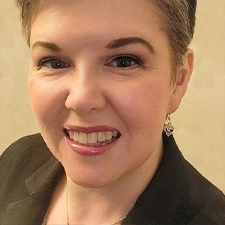
CEO of NIGP
In this insightful Q&A, Debbie Trueblood, CEO of NIGP, sits down to discuss her vision for the future of public procurement and the vital role of professional associations. Bringing an expert “outsider’s” perspective from over 25 years of association leadership, Trueblood challenges the common narrative of “falling into” the field, calling instead for a culture of intentionality and professional pride. From navigating the strategic integration of AI to supporting members through lean budget cycles, Trueblood outlines how procurement is shifting from a transactional function to a powerful force for shaping public policy and community infrastructure.
Six months in, what are you finding? What is interesting about NIGP?
There is so much that is interesting about NIGP. A big part of my vision is that we are trying to change the way people talk about the procurement profession. We are trying to bring a lot of pride into the profession. As I started in this role, what I heard from our members straight off the bat was, “I fell into procurement. I fell into this field.”
As someone new to procurement from the outside, I understand why people say they fell into this field. They didn’t grow up saying, “I want to be a procurement professional.” There is no degree that leads into this field. But from the outside coming in, it sounds like an accident—like they have no control over their career journey. I feel strongly that if you devalue how you got here, you devalue the importance of the work you do.
At NIGP, we are spending a lot of time on changing the way we talk about it. Let’s go from “I fell into this profession” to saying, “I discovered procurement and I choose it every day.” When we say “I choose it every day,” we take accountability for our careers. We can say, “I choose a career in procurement. I choose to pursue certification and career advancement.” That brings back pride in the profession. For Procurement Month in 2026, our theme is: Discovered with Purpose, Chosen with Pride.
How do you get over the perception that procurement is just a job to fit into?
What is exciting is that every time I share this message, I talk about the impact: Because of you in procurement, we have the materials to build roads and infrastructure. We have supplies for first responders so they can help people on their worst day. We have medical supplies for hospitals so people get the care they need. You are the backbone of our communities.
Why describe your career like an accident when the impact of your work is so important? When I share that message, members tell me it inspires them to see the value of why they do what they do. Helping them reframe that message has been so much fun.
You have a dynamic vision, but you also have pressures like AI. People think it’s coming for their jobs, and leadership might look at it for staff reduction. Do you feel that pushback?
Absolutely. My take on AI is that prohibiting it is like telling staff they can’t use Google. Imagine how restricted your people will be compared to your competitors. You have to adopt AI; you just have to use it ethically and smartly to bring efficiency.
We are seeing two major trends: AI coming in and a shift in the workforce. As the tail end of the Boomers retire, the early side of Gen X is retiring right along with them. This creates opportunities for people to move into leadership roles that were previously stagnant. While AI might take some entry-level opportunities, everyone now gets to move up a level. Our role at NIGP is to prepare everyone for these leadership opportunities through scholarships, certifications, and professional development so that when the opportunity comes, you are ready for it.
From your perspective, what is your first-blush advice to a K-12 procurement team?
Go out and learn about the departments around you. Learn what their needs are and what they go through every day. The value procurement brings is being able to be a strategic partner by understanding those needs.
We recently published a research paper called The State of the Procurement Profession. We can now evidence that there is a shift in the profession. There had been an expectation that this was a transactional profession focused on bids and contracts. We now have research to prove this profession has shifted into being a strategic advisor that shapes public policy. The more you know about the departments and the community you serve, the better you can support them.
What do the best associations do correctly compared to those that struggle?
I’ve been in association work for 25 years and have been a CEO of seven associations. When associations operate with excellence, they look with foresight. They are constantly scanning the environment to see trends and support the profession in where it is going.
We are currently seeing trends like reductions in government budgets and travel bans for conferences. An association moving with foresight thinks: “How do we get our members through this time? How do we help them access professional development when budgets are tight?” We put the members and the mission first. Associations that struggle are the ones that, in a moment of budget cuts, try to protect themselves rather than stepping up for their members.
You’re saying that when members can’t afford the services, that is when they need you to be the most proactive?
Absolutely. During the early COVID years, my mantra was: “How can we be there for our members when they need us most and can’t afford to pay for our services?” We shifted strategies to provide more scholarships and individual grants to help people through unemployment.
We actually grew as an organization during that time because if you can be the solution in the eye of the storm, members will value you. We are seeing some budget restrictions coming now in the procurement profession. If we can plan ahead and support our members through this, they will be here with us when their budgets grow again. The most important thing is serving members when they need us most.